A Realistic Look At Intermittent Fasting For Beginners – lizshealthytabla

# A Realistic Look at Intermittent Fasting for Beginners
Tuesday, 2:47 PM. I’m staring at my laptop screen like it owes me money. My brain is wading through literal sludge. I can feel the heaviness behind my eyes. The third cup of coffee from this morning has long since worn off, leaving behind a jittery, hollow ache in my chest. I know that feeling. It’s not just “being tired.” It’s that specific brand of metabolic hangover where your blood actually thickens and your heart has to pump harder just to get oxygen to your prefrontal cortex.
For years, I thought this was just what adulthood felt like. You wake up, you rush, you graze on yogurt and granola, you crash at 2 PM, you panic-eat chocolate at 4 PM, and you go to bed. Rinse. Repeat.
Then, three years ago, I decided to try intermittent fasting. Not the extreme version where you only eat one meal a day (OMAD). Not the weird version where you only eat foods that are blue. Just a simple, boring, realistic window: 12 hours on, 12 hours off. Or maybe 14 on, 10 off.
I’ll be honest with you. I thought it would be magic. I thought I’d wake up with a tingle in my toes and instantly lose ten pounds. Or at least, that’s what I thought until my first week.
Spoiler alert: I was irritable. I was hungry. I stared at my [kitchen island] for twenty minutes wondering if a slice of plain white bread would fix my life. But by week three? The fog lifted. The 2:47 PM crash vanished. And I finally had a [realistic look at intermittent fasting for beginners] that didn’t involve counting every single calorie like a paranoid accountant.
## It’s Not About Eating Less. It’s About Eating *When*.
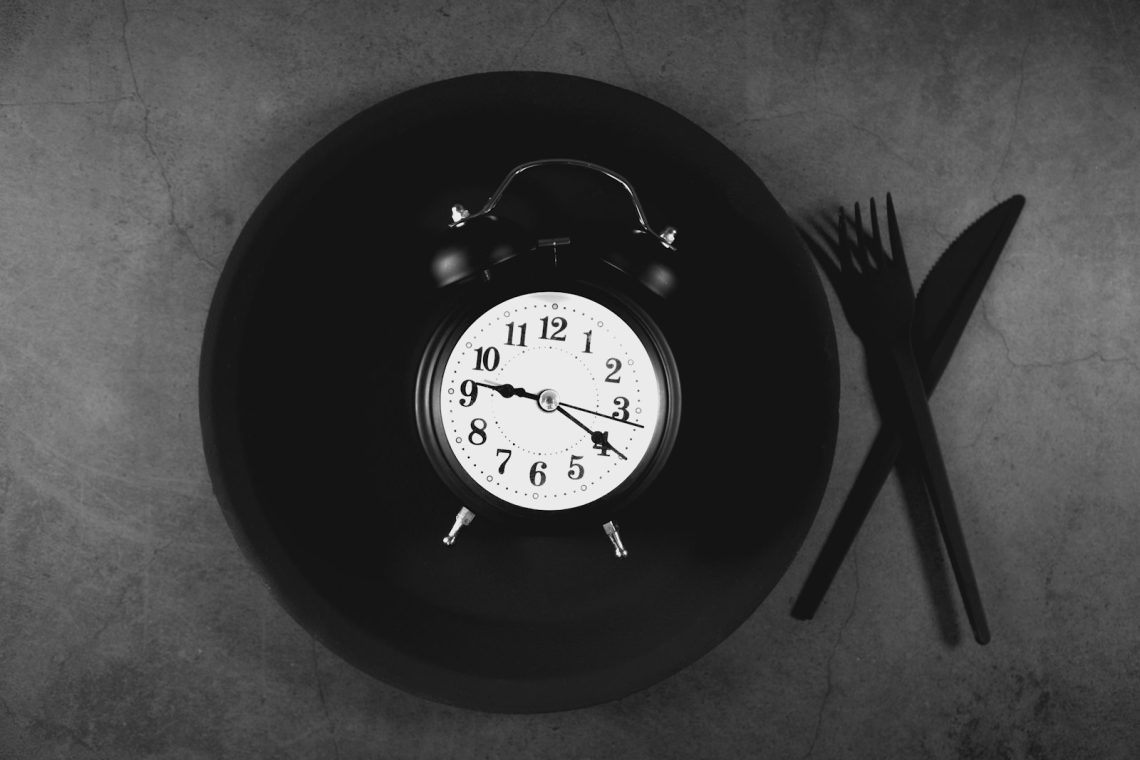
Here’s the thing most people miss. Intermittent fasting (IF) isn’t a diet in the traditional sense. You don’t have to eat kale for every meal. You don’t have to sacrifice flavor. You just have to compress your eating window.
Think of your digestive system like a housekeeper. When you’re eating, the housekeeper is working hard. Cleaning up the mess. Breaking down nutrients. Storing energy. When you stop eating, the housekeeper finally gets a break. And that’s when the real cleaning starts. Your body switches from burning glucose (sugar) to burning stored fat. It’s called ketosis, but you don’t need to be a scientist to understand it. You just need to know that giving your gut a rest helps your insulin levels drop. And when insulin drops, your body can finally access those stubborn fat stores.
But wait. Is it just for weight loss? Nope.
A study published in the *New England Journal of Medicine* highlighted that time-restricted eating can improve metabolic health, reduce inflammation, and even support heart health. That’s huge. Especially living here in Texas, where the heat makes you feel heavy by noon, and the [BBQ joints] are never far away.
I started with a 12-hour window. Dinner at 7 PM. Breakfast at 7 AM. Simple. Boring. Easy. I didn’t skip breakfast. I just ate it later in the morning, or earlier in the evening. For me, that meant pushing my morning coffee from 7 AM to 8 AM, and skipping the late-night cheese board.
The first change I noticed wasn’t weight. It was energy. Specifically, the lack of the afternoon slump. Before IF, I was hitting snooze three times, grabbing a bagel, feeling full at 11 AM, hungry again at 1 PM, and crashing by 3 PM. With IF, I skipped the mid-morning snack. I waited until 11:30 AM for my first real meal. And by 2 PM? I was still sharp. I could still write this article. I wasn’t reaching for the [sugar stash] under the counter.
## The “Hangry” Phase is Real (And How I Survived It)
Let’s talk about the ugly part. The first few days.
When you’re used to grazing, your body doesn’t know what to do when you stop. It’s like a toddler screaming in the car seat because you took away the iPad. You get headaches. You get irritable. You get that weird “what if I never eat again” panic.
I tried the 14-10 method (14 hours fasting, 10 hours eating). My best friend, Dr. Sarah, warned me: “You will feel like a bear waking up from hibernation. Grumpy. Slow. Hungry.”
She was right.
On day two, I was staring at a jar of pickles like it held the secrets to the universe. I drank water. I drank coffee. I drank herbal tea. But the hunger pangs were real. They came in waves. They’d hit me at 11 AM, then fade. Then hit me again at 3 PM.
Here’s what helped me survive: electrolytes. Not the sugary sports drinks. Just salt. A pinch of sea salt in my water. Or, you know, eating a salty snack during my eating window. Your body flushes electrolytes when you fast. That’s why you get the headaches. It’s not “hunger.” It’s dehydration and mineral imbalance.
Also, I learned to distinguish between physical hunger and boredom. Physical hunger is a growl. It’s empty. It’s gradual. Boredom hunger is specific. “I want a cookie. Now.” Physical hunger will accept an apple. Boredom hunger will spit out the apple.
If you’re new to this, don’t force a 16-hour fast on day one. Start small. Push breakfast back by one hour. Just one hour. Your body will adapt. It’s like training for a marathon. You don’t run 26 miles on day one. You run two. Then three. Then five.
## What I Actually Eat During My Window
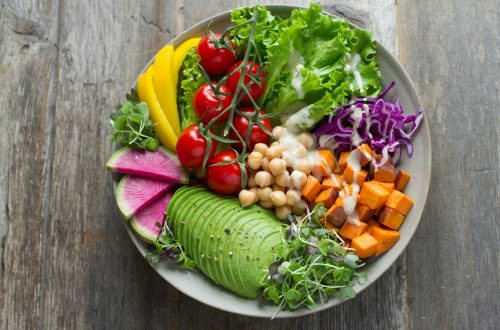
This is where the magic happens. Because you’re eating less frequently, you want to make those meals count. You don’t want to fill your window with processed junk. Well, you can. I’ve had pizza during my eating window. It didn’t kill me. But it didn’t make me feel amazing either.
I aim for a balance. Protein. Healthy fats. Fiber.
My typical day looks like this:
* **Morning (11:30 AM):** I break my fast with something savory. Eggs. Maybe some spinach. A slice of avocado. I don’t drink coffee with my first meal. I drink it black, earlier, while I’m still fasting. It helps curb appetite.
* **Lunch (2:30 PM):** This is the big meal. If you’re like my mom, you might worry you’ll overeat. I do. But I slow down. I chew. I put my fork down between bites. I usually have a big salad with grilled chicken or fish. Or leftovers from dinner.
* **Snack (5:00 PM – Optional):** A handful of almonds. Or some Greek yogurt. Or just an apple. Sometimes I skip this. Sometimes I eat it. I listen to my body.
* **Dinner (7:30 PM):** Lighter. Maybe some leftover [Mediterranean chicken] or a stir-fry. I stop eating by 7:30 PM. No snacks after this.
The key? Don’t starve yourself during the day and then binge at night. I see this all the time. People fast all day, then sit down to a 2,000-calorie pizza at 8 PM. They feel stuffed. Bloated. Then they crash hard the next morning.
Instead, spread your calories out. Eat until you’re satisfied, not stuffed. “Satisfied” is the key word. You should feel like you could eat more, but you choose not to.
## The Social Hurdle: Fasting When Everyone Else is Eating
This is the part no one talks about. Intermittent fasting is lonely.
You’re at a brunch. Everyone’s ordering mimosas and pancakes. You’re sipping black coffee. You’re waiting until 12:30 PM. Then you order eggs. Your friend asks, “Aren’t you hungry?” You say, “No, I’m good.” Inside, you’re thinking, “I’d kill for a waffle.”
Or you’re at a work meeting at 4 PM. Everyone’s ordering donuts. You’re in the middle of your fast. You stare at the glazed ring. You imagine the sugar spike. You imagine the crash. You walk away.
It takes practice. And it takes saying “no.” But it’s easier than you think.
Most people won’t judge you. They’ll just be curious. “Why don’t you eat lunch?” “I don’t need to,” is a perfectly valid answer. Or, “I’m saving room for dinner.” Or, “I’m practicing fasting.”
You don’t have to announce it. You don’t have to wear a t-shirt that says “I’m Fasting.” You just have to respect your own schedule.
And yes, there are exceptions. Birthday parties. Holidays. Date nights. If you’re at a nice dinner with someone you love, eat. Don’t stress about the fasting window. Life is too short to skip dessert. (Well, mostly.)
## The Results: What Changed for Me?
I’ve been doing this for three years. It’s not perfect. I’ve missed days. I’ve binge-eaten. I’ve gone back to grazing. But overall? It’s been a game-changer. Not because I lost 50 pounds. I didn’t. I lost about 15 pounds. Steadily. Without trying.
But the mental clarity? That’s what kept me going.
I sleep better. I wake up without that groggy “what day is it?” feeling. I have more energy in the afternoons. I’m not constantly thinking about food.
Before IF, food was my constant companion. My stress relief. My reward. My punishment. Now, food is fuel. It’s pleasure. But it’s not the center of my universe.
I also noticed changes in my skin. Clearer. Less inflammation. My doctor said my cholesterol dropped. My blood pressure stabilized. Small wins. But they added up.
## How to Start: A Realistic Plan for Beginners
So, you’re intrigued. You want to try it. Where do you start?
1. **Pick your window.** Don’t go extreme. Start with 12:12. Eat from 8 AM to 8 PM. Or 9 AM to 9 PM. Just a 12-hour window.
2. **Hydrate.** Water. Tea. Black coffee. No sugar. No milk. (Milk breaks the fast, technically. But a splash of oat milk in your coffee is probably fine. Don’t stress it.)
3. **Eat nutrient-dense foods.** When your window opens, eat well. Protein. Fats. Veggies. Not just carbs.
4. **Listen to your body.** If you’re dizzy, eat something. If you’re not hungry, wait. You don’t have to force it.
5. **Be consistent.** Not perfect. Consistent. Miss a day? Get back on track the next day. It’s not a test. It’s a habit.
Here’s my tip: Don’t start IF on a Monday. Start on a weekend. Give yourself time to adjust. Try it for a week. See how you feel. If you hate it, stop. If you like it, try extending the window by one hour next week.
And remember, it’s not about restriction. It’s about freedom. Freedom from the constant thinking about food. Freedom from the energy crashes. Freedom to just… be.
## The Bottom Line
Intermittent fasting isn’t for everyone. Some people get dizzy. Some people get hungry. Some people just don’t like skipping meals. That’s okay.
But for me? It was the missing piece. It wasn’t a magic pill. It was a tool. A simple, accessible tool to help me take control of my health.
If you’re struggling with the 10 AM brain fog, or the 2 PM slump, or just the constant nagging hunger… give it a shot. Start small. Be patient. And trust the process.
Your body knows how to heal. It knows how to burn fat. It knows how to focus. It just needs a break. Give it that break.
And hey, if you try it, let me know how it goes. I’m always curious about what works for others. Drop a comment below. Or share this with a friend who’s always complaining about being tired.
Stay hungry. Or stay full. Whatever works.
Xiao Ai
—
**FAQ: Quick Questions About Intermittent Fasting**
**Q: Can I drink coffee while fasting?**
A: Yes. Black coffee is fine. No sugar. No milk. A splash of heavy cream? Probably okay, but it might spike your insulin slightly. Stick to black for the first few weeks.
**Q: Will I lose muscle?**
A: Not if you eat enough protein during your eating window. Protein is key. Aim for a palm-sized portion of protein at every meal.
**Q: Is it safe for women?**
A: Generally, yes. Some women find IF affects their cycle. If so, try a shorter window (12-14 hours) or eat more calories during your window. Listen to your body.
**Q: Can I exercise while fasting?**
A: Yes. Many people feel great exercising in a fasted state. It’s actually good for burning fat. But start slow. Don’t run a marathon on an empty stomach.
**Q: What if I get hungry at night?**
A: Drink water. Or herbal tea. Sometimes hunger is just thirst. Or boredom. If you’re truly hungry, have a small snack. A handful of nuts. A piece of fruit. Don’t stress.
—
*Disclaimer: I’m not a doctor. This is based on my own experience and research. Talk to your healthcare provider before making big changes, especially if you have diabetes or other conditions.*