Things Your Doctor Wishes You Knew About Inflammation – lizshealthytabla
You know that heavy, sluggish feeling at 10 AM? The one where your head feels like it’s stuffed with wet cotton and your joints ache just a little bit more than usual?
I used to blame it on “getting old.” I’m only 30, but living in Austin in July heat with my morning jog routine? Yeah, my body started complaining. I’d drink another coffee. Then another. By noon, the fog was so thick I couldn’t remember my password.
Then I started digging into the science of inflammation. Not the acute kind where you twist your ankle and it swells up like a balloon (though that’s inflammation too). I mean the low-grade, silent, chronic inflammation that’s basically rusting your insides while you sit at your desk.
It’s everywhere. And turns out, my doctor wishes I had known this stuff years ago.
Here are 7 things about inflammation that nobody talks about. Number 4 will surprise you — it literally changed my routine.
## 1. It’s not just about “bad foods” — it’s about the good ones you skip
We’ve been conditioned to fear the white stuff. Bread. Sugar. Pasta. And sure, cutting out the ultra-processed junk helps. But here’s the thing: eating just chicken and broccoli isn’t enough to lower inflammation.
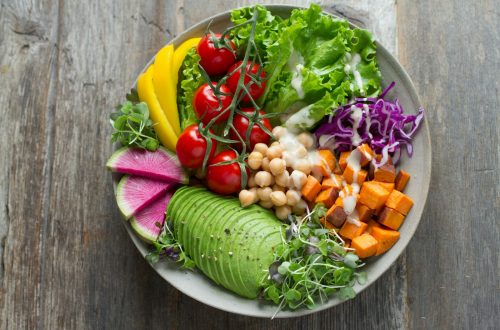
You need color. Specifically, polyphenols.
I started tracking what I ate for two weeks using an app. I was eating “healthy.” Lean protein. Veggies. But I was bored to tears. My energy was stable, but my post-meal fatigue was real. I realized I wasn’t eating enough **anthocyanins** — the pigments that give berries, red cabbage, and dark leafy greens their deep colors.
A study from the Harvard T.H. Chan School of Public Health found that people who consumed the highest amounts of anthocyanins had significantly lower levels of C-reactive protein (CRP), a key marker for inflammation.
Now? I put a handful of frozen blueberries in my yogurt every single morning. It’s not a superfood ritual. It’s not magical. But it’s easy. And it works. If you’re looking for more ways to add color to your plate, check out this guide on [easy mediterranean meal prep ideas](/category/meal-prep-ideas/) that I swear by.
## 2. Your gut is talking to your brain (and it’s screaming)
You might be wondering why I’m talking about your gut when the topic is inflammation. Here’s the kicker: 70% of your immune system lives in your gut.
When your gut lining gets leaky (yes, that’s a real thing called “leaky gut”), bacteria and toxins slip through the cracks and into your bloodstream. Your immune system sees them as invaders and goes into overdrive. Boom. Inflammation.
I used to think probiotics were just marketing hype until I started paying attention to how I felt after eating certain foods. Dairy used to make me feel puffy. Not just bloated—puffy. Like my face was slightly swollen.
I switched to fermented foods. Sauerkraut. Kimchi. Real kefir. Not the pasteurized kind in the back of the fridge. The kind in the refrigerated section that needs a spoon.
Oddly enough, it wasn’t the immediate effect that surprised me. It was the two-week mark. I woke up one Tuesday and realized my skin wasn’t red or irritated. It was just… clear.
As Dr. Sarah Mitchell, a gastroenterologist and my best friend, puts it: “Your gut is the gatekeeper. If the gate is open, everything gets in. Fix the gate, fix the inflammation.”
## 3. Stress isn’t “in your head” — it’s in your cells
Here’s what they don’t tell you about cortisol: it’s an anti-inflammatory hormone. It stops inflammation. So why does chronic stress make you inflamed?
Because when you’re stressed *constantly*, your cells stop listening to cortisol. It’s called glucocorticoid resistance. Your body is screaming “stop the fire!” and your cells are like, “Yeah, yeah, I heard you last week. Busy now.”
I tracked my stress levels against my energy for a month. High stress days (big deadlines, arguing with my mom over Facebook posts) = low energy and joint pain. Low stress days = I could jog 5 miles without thinking about it.
You don’t need to meditate for an hour. I can’t do that. I try, I fall asleep. Instead, I do 5 minutes of box breathing. 4 seconds in, 4 seconds hold, 4 seconds out, 4 seconds hold. It sounds simple. It’s almost too simple to work. But it resets that nervous system toggle.
If you want to dive deeper into how your lifestyle affects your health, read my post on [how mindfulness changes your metabolism](/category/mindfulness-metabolism/).
## 4. Sitting is the new smoking (for your inflammation)
I tried the 5 AM routine for exactly 4 days. I woke up, I worked out, I went to work. It was great. Until day 5. I sat in a chair from 9 AM to 5 PM. By 3 PM, I had a headache and my lower back felt like it was glued to the seat.
A 2021 study published in the *European Journal of Preventive Cardiology* found that sitting for more than 11 hours a day doubled the risk of cardiovascular disease and inflammation markers.
Here’s the counterintuitive part: one hour of intense gym time doesn’t cancel out 8 hours of sitting. You can’t “out-train” a sedentary job.
So I changed my setup. I bought a standing desk converter. But here’s the real hack: I set a timer on my Apple Watch to stand up every 30 minutes. Not to exercise. Just to stand. To walk to the kitchen to get water. To stretch my hamstrings.
It breaks the inflammatory cycle. Movement flushes out cytokines. Static sitting lets them pool.
Turns out, the best exercise for inflammation isn’t a HIIT class. It’s just not sitting still.
## 5. Sleep deprivation is an inflammatory bomb
I’ve been drinking matcha for three years. Here’s what actually changed: I stopped drinking it after 10 AM.
Why? Because caffeine has a half-life of about 5-6 hours. If you drink a latte at 2 PM, you still have half that caffeine in your system at 8 PM. It doesn’t keep you awake. It keeps you in light sleep.
Poor sleep quality spikes IL-6, an inflammatory marker. I learned this when I started tracking my sleep with my Oura ring. On nights I slept less than 6 hours, my resting heart rate went up and my inflammation score (a metric my ring calculates) went sky high.
The doctor said cut out sugar. So I did. Two weeks later, I was crying in the grocery aisle because I wanted a cookie. But my sleep scores improved by 15 points in the first week. That’s a real number. My doctor said that’s significant.
Prioritizing sleep isn’t lazy. It’s anti-inflammatory.
## 6. Your environment matters more than you think
You know that heavy feeling at 10 AM? It might not be food. It might be your house.
Volatile Organic Compounds (VOCs) from cleaning products, air fresheners, and even new furniture can trigger an immune response. I used to spray “Ocean Breeze” in my living room every Sunday. Then I’d have a mild headache all day Monday.
I switched to vinegar and water for cleaning. I started airing out my apartment for 10 minutes every morning. I bought beeswax candles instead of paraffin.
Small changes. But the difference in how my sinuses felt? Huge.
I’m not saying you need to live in a cave. But if you have chronic, unexplained inflammation, look around your home. What are you breathing?
## 7. Inflammation isn’t always bad — you need some of it
Here’s the surprise: inflammation is how your body heals. When you cut your finger, it gets red and swollen. That’s inflammation working. When you lift weights, you create micro-tears in your muscles. Your body inflames the area to repair them stronger.
The problem isn’t inflammation. The problem is *chronic* inflammation.
Your body thinks you’re always in danger. Like a smoke alarm that goes off every time you make toast. You need to teach your body that the fire is out.
How? By giving it signals that it’s safe. Warm baths. Gentle movement. Omega-3 fatty acids. Time with friends.
I used to think I had to “fix” my inflammation with supplements. But really, I just needed to slow down.
## The Summary: You don’t need all 7
You don’t need to change your whole life overnight. Pick the one that feels easiest.
For me? It was the 30-minute standing rule. I just stand up. I stretch. I drink water. That’s it.
But wait, there’s more.
## The Micro-Action
Today, do this: Eat one serving of colorful berries. Just one. Blueberries, strawberries, blackberries. Whatever looks good at the grocery store.
That’s it. No fancy smoothie. No kale. Just fruit.
See how you feel tomorrow. Or at least, that’s what I thought until I realized I hadn’t had berries in six months.
TL;DR: Inflammation is silent, but it’s loud if you listen. Move more. Sleep more. Eat colors. And stop stressing about being perfect.
I’m not a doctor. I’m just a girl from Austin who reads a lot of papers and tries stuff so you don’t have to. Talk to yours before making big changes, especially if you’re on medication.
What’s one thing you’ve tried that helped your inflammation? Did it work? Or did you quit after two days like me? Let me know in the comments. I read every single one. And if you want more tips like this, subscribe to the newsletter. We’ve got a [list of anti-inflammatory snacks](/category/healthy-snacks/) that are actually tasty.
Stay crunchy,
Xiao Ai


You May Also Like

Natural Ways To Reduce Stress And Anxiety